
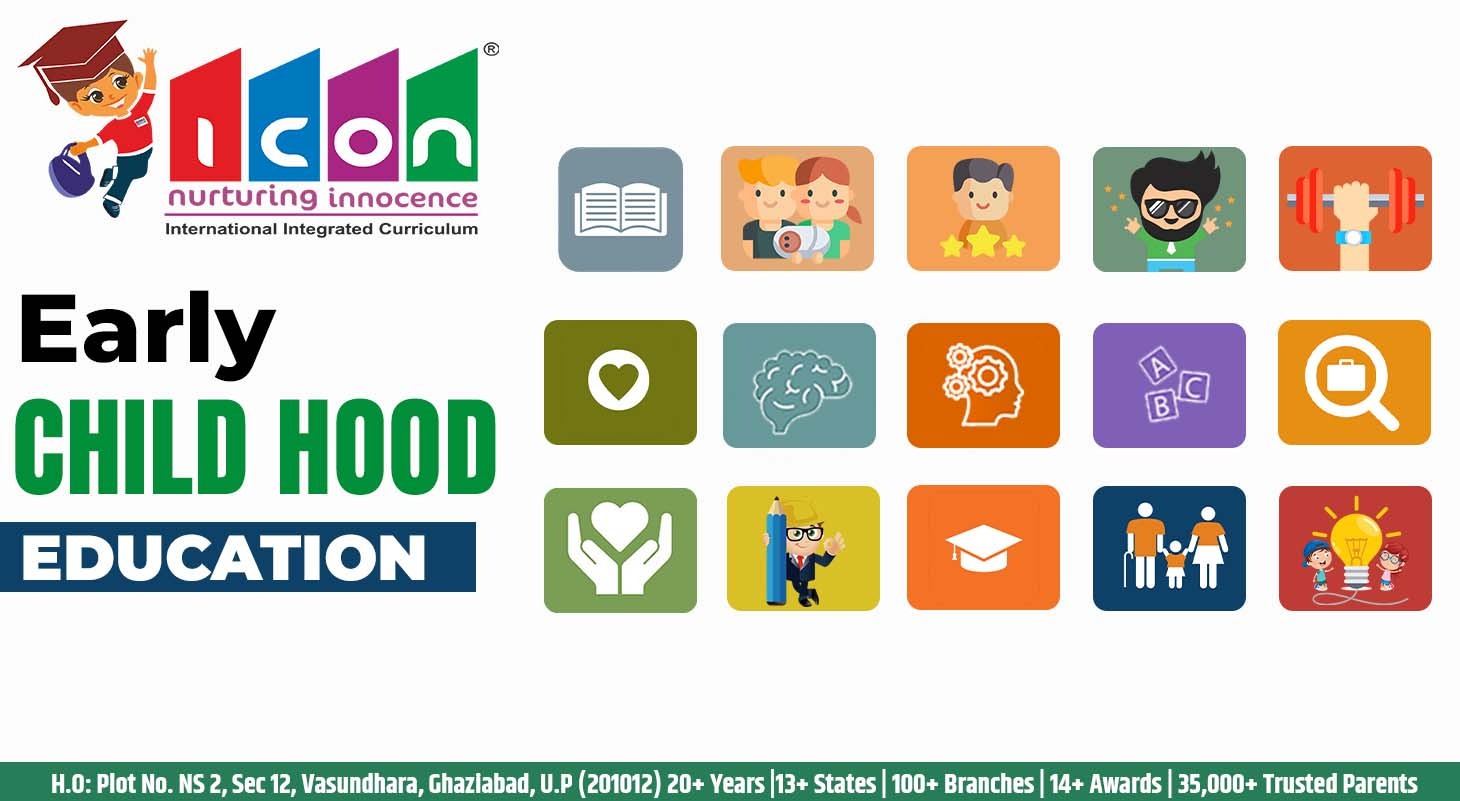
Early childhood education (ECE) refers to the learning experiences children receive from birth to around eight years of age. This stage is widely recognized as the most critical phase of human development, as a child’s brain grows rapidly and forms the foundation for future learning, behavior, and health. Quality early childhood education plays a powerful role in shaping a child’s overall development—academically, socially, emotionally, and physically.
1. Builds a Strong Foundation for Learning
During early childhood, the brain develops faster than at any other stage of life. Children absorb information quickly and learn best through play, exploration, and interaction. Early childhood education introduces basic concepts such as numbers, letters, shapes, and colors in a fun and engaging way. These early experiences help children develop curiosity, problem-solving skills, and a love for learning, which prepares them for formal schooling.
2. Enhances Social and Emotional Development
Early childhood education provides children with opportunities to interact with peers and teachers in a structured environment. Through group activities, sharing, and collaboration, children learn important social skills such as communication, empathy, cooperation, and conflict resolution. They also develop emotional regulation, self-confidence, and independence—skills that are essential for lifelong success.
3. Improves Language and Communication Skills
The early years are crucial for language development. In a quality early learning environment, children are exposed to conversations, storytelling, songs, and expressive activities that strengthen their vocabulary and communication abilities. These interactions help children express their thoughts and emotions clearly, improving both verbal and listening skills.
4. Supports Cognitive and Critical Thinking Skills
Early childhood education encourages children to think, explore, and ask questions. Activities such as puzzles, games, art, and storytelling stimulate cognitive development and creativity. Children learn how to observe, remember, reason, and make decisions—skills that support academic performance in later years.
5. Encourages Positive Behavior and Discipline
Structured early learning environments help children understand routines, rules, and boundaries. With guidance from trained educators, children learn self-discipline, patience, and responsibility. These early lessons contribute to positive behavior and better classroom adjustment in the future.
6. Promotes Physical Development
Early childhood education also focuses on physical growth through activities like outdoor play, dance, and fine motor exercises such as drawing or building blocks. These activities improve coordination, strength, and overall health while encouraging active and healthy lifestyles from a young age.
7. Long-Term Benefits for Academic and Life Success
Research consistently shows that children who receive quality early childhood education perform better academically, have higher graduation rates, and develop stronger social skills. Early education reduces learning gaps and equips children with the skills needed to succeed not only in school but also in life.